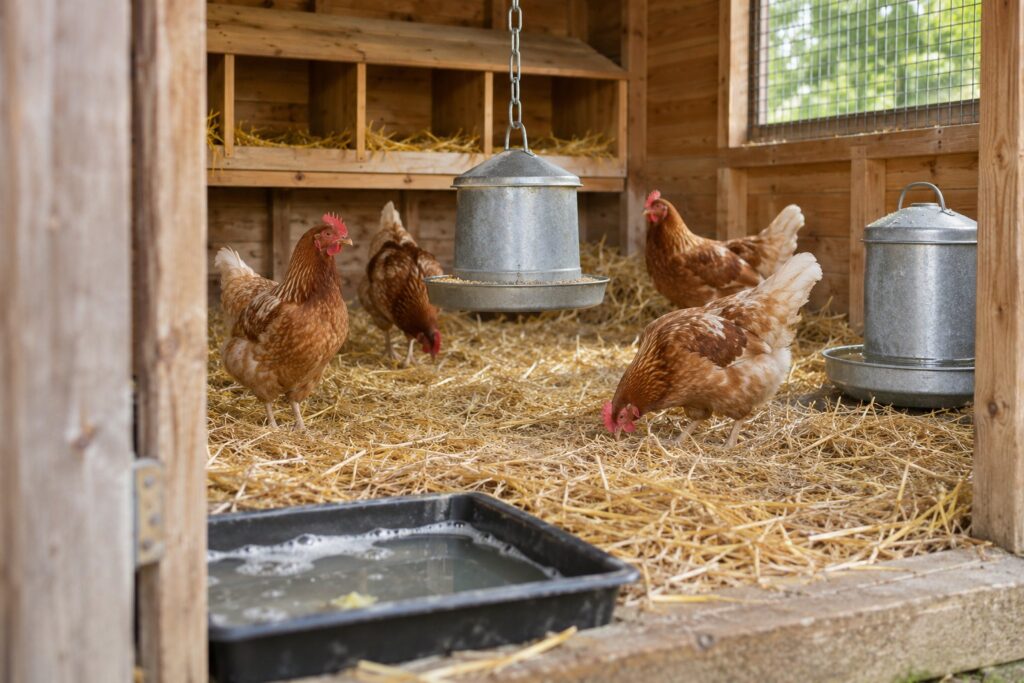
Poultry and captive birds across England have to be kept indoors from 00:01 on Friday, November 13, 2026. The UK Chief Veterinary Officer declared the national housing order on November 11 after a rise in confirmed cases of highly pathogenic avian influenza in kept birds and findings in wild birds. An England-wide Avian Influenza Prevention Zone (AIPZ) with mandatory biosecurity came into force straight away, and Defra’s latest situation page says the AIPZ covers Scotland as well. If you sell live birds, poultry, eggs, bird food or cleaning products in England, this changes what your customers have to do this winter, and it is worth checking what it means for your own premises too.
Who has to house their birds
The housing order applies to keepers with 50 or more birds, and to anyone who sells or gives away eggs, poultry products or live birds, whatever the size of the flock. Defra says there are some exceptions in specific circumstances, such as some zoo birds. Keepers have to house all their poultry and captive birds, not just part of the flock.
For the pet and smallholder trade that is a wider net than people might expect. A pet shop or breeder that sells live birds, or a farm shop selling eggs from its own hens, falls inside the order even with a small number of birds. Defra’s guidance on housing birds safely covers what suitable housing looks like.
What every bird keeper has to do now
The biosecurity rules apply to every keeper in the zone, whether they have pet birds, a commercial flock or a few hens in a back garden. According to the announcement, keepers must
- cleanse and disinfect clothing, footwear, equipment and vehicles before and after contact with birds, using disposable protective clothing where practical
- cut the movement of people, vehicles and equipment to and from areas where birds are kept
- carry out effective vermin control where birds are kept
- cleanse and disinfect housing regularly and keep fresh disinfectant at the right concentration at entry and exit points
- keep feed and water out of reach of wild birds and keep birds away from ponds and watercourses
- keep records and report changes in egg production
Defra’s rules for pet birds, birds of prey and racing pigeons say they apply to all captive birds, including pets. In an AIPZ, pigeon baskets, boxes and vehicles have to be cleaned with a Defra-approved disinfectant. Anyone planning a bird show, sale or other gathering should check the bird gatherings licence rules before going ahead.
What it means for shops and suppliers
Expect questions at the counter. Customers who have never housed their hens will be looking for runs, covered housing, feeders and drinkers that wild birds can’t reach, footbaths and disinfectant, and they will want to know whether the rules apply to them. The short answer for most is yes on biosecurity, and yes on housing if they have 50 birds or more or sell eggs.
Suppliers in our bird food wholesale category carry poultry and aviary lines alongside wild bird food. Copdock Mill makes poultry feed and cage and aviary mixes, and Haith’s sells pigeon and poultry feed and a bird health and hygiene range. Wild bird food stays on sale, since Defra says people can still feed wild birds in their gardens, but they should wash their hands afterwards and avoid areas near premises where poultry or captive birds are kept. That is a useful line to have ready if you stock ranges from suppliers such as Johnston & Jeff. For cleaning products, our kennel and animal housing disinfectant suppliers are a starting point, but check a product is Defra-approved for this use before you recommend it to a bird keeper.
How long it lasts
Defra hasn’t given an end date. The previous zone lifted once the risk fell, and its situation page will show when these measures change. Christine Middlemiss, the UK Chief Veterinary Officer, urged keepers to follow the housing measures, keep up strict biosecurity and report suspected disease to the Animal and Plant Health Agency straight away. Defra says it does not expect an overall impact on Christmas turkey supplies, and that the risk to human health remains very low.
Source: Defra press release, November 11, 2026, and Defra and APHA guidance on GOV.UK. This article is based on desk research of the official announcement and guidance.
Companies in this story
- Copdock MillSuffolk pet and equine feed wholesaler, established in 1912, with its own wild bird seed and rabbit mixes and nationwide delivery.
- Haith'sLincolnshire maker of cleaned wild bird food and cage and aviary seed since 1937, with trade accounts for retailers.
- Johnston & JeffEast Yorkshire bird food maker since 1880, producing wild bird, parrot and aviary seed blends sold through retailers.