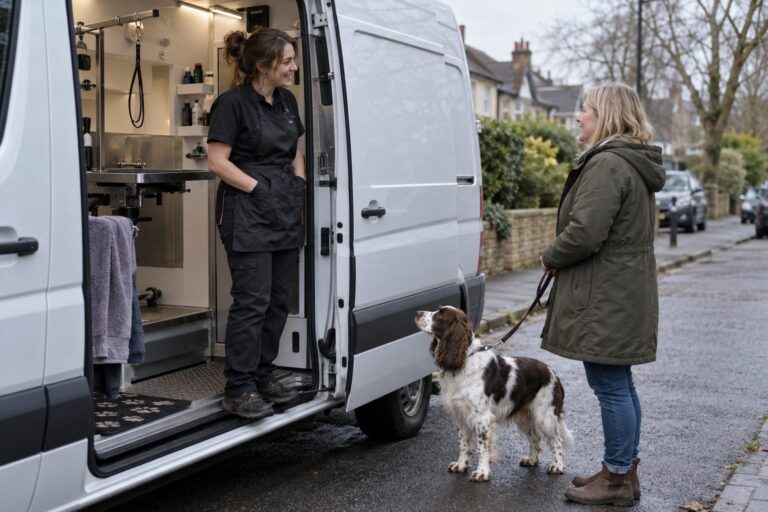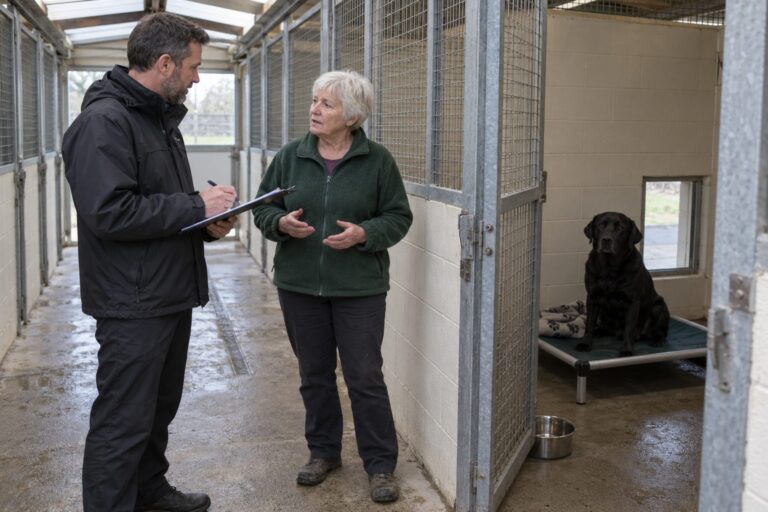
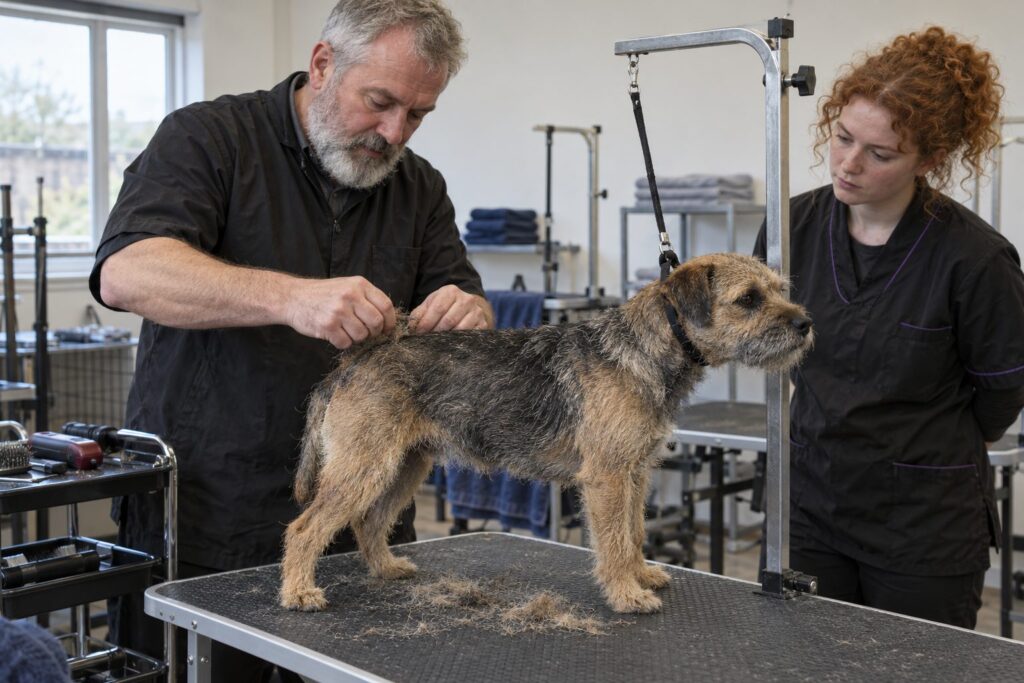
A dog grooming course is the usual first step into one of the most popular pet business careers in the UK. Courses range from a one-day class for owners to regulated qualifications and apprenticeships for people who want to work in a salon or run their own. This guide explains the routes, the qualifications employers and insurers recognise, what to ask a training provider, and what you will need to buy once you qualify.
Do you legally need a qualification to groom dogs?
No. Dog grooming is not one of the licensable activities in Schedule 1 of the Animal Welfare (Licensing of Activities Involving Animals) (England) Regulations 2018, which cover selling animals as pets, boarding cats and dogs, hiring out horses, breeding dogs and keeping or training animals for exhibition. You do not need a council licence or a set qualification to open a grooming salon in England.
In practice, a recognised qualification still matters. Employers use it to judge whether you can work safely on a range of breeds and coats. Insurers may ask about training when they quote for care, custody and control cover. If you plan to add dog day care or home boarding to a grooming business later, the licensing guidance for those activities expects staff to hold a formal qualification, such as an Ofqual-regulated Level 2, or show relevant experience.
The main routes into dog grooming
The National Careers Service lists three ways in: a college course, an apprenticeship, or specialist courses run by private training organisations. It describes the job as bathing, brushing and trimming dogs’ hair and advising owners on coat care, diet and general health, with typical hours of 30 to 37 a week and some evening or weekend work. It gives an average salary range of £15,000 for starters to £23,000 for experienced groomers.
| Route | How it works | Suits | Things to check |
|---|---|---|---|
| College course | Introductory to advanced courses covering coat care and grooming methods | School leavers and career changers wanting a structured timetable | Which awarding body, how much hands-on time with live dogs |
| Apprenticeship | Paid work in a grooming business while studying, such as the Dog Grooming Level 2 Intermediate Apprenticeship | People who want to earn while they learn | Finding a salon willing to take an apprentice; the Animal Care and Welfare Manager Level 3 apprenticeship suits those aiming for supervisory roles |
| Private grooming academy | Intensive salon-based courses, often over several weeks, sometimes leading to City and Guilds or other awards | Career changers who want to qualify quickly | Course length in salon days, dogs per student, which qualification you sit |
| Online or CPD courses | Theory, business and specialist modules for working groomers | Qualified groomers adding skills | Whether it is regulated or a certificate of attendance only |
Qualifications worth knowing
City and Guilds dog grooming qualifications are widely offered by salon academies. For example, one London grooming school in our listings offers the City and Guilds Level 2 Certificate for Dog Grooming Assistants, aimed at people working as an assistant in a commercial salon, alongside a longer professional course.
iPET Network is an awarding organisation regulated by Ofqual, CCEA Regulation and Qualifications Wales. It designs animal care qualifications, including dog and cat grooming, and works in partnership with approved centres and training providers that deliver its qualifications. If a course says it leads to an iPET Network qualification, you can check the centre is approved.
VetSkill approves training providers too. One provider in our listings, Career Hounds, is a VetSkill-approved centre running courses near Sheffield and in Cheadle.
Whatever the badge, check that the qualification is regulated if that matters to you. Regulated qualifications are listed on Ofqual’s register with their level. A certificate of attendance from a short course can still be useful for home groomers, but it is not the same thing.
How long does a dog grooming course take?
Length varies by provider and qualification. As a real example, one grooming school in our listings runs a professional course of 28 days in total: 26 days in the salon, one home study day and one day for the written exam, with a pay-as-you-go option over 25 days. Another academy in Kent lets students study between one and five days a week and change their schedule week to week. Apprenticeships run over a longer period because you are working at the same time.
Questions to ask a grooming school
- Which qualification will I hold at the end, who awards it, and is it Ofqual regulated?
- How many days will I spend grooming live dogs, and how many dogs per student?
- What breeds and coat types will I work on, including hand stripping and scissoring?
- Who teaches, and what are their grooming and teaching qualifications?
- Can I pay in stages, and what happens if I need to pause?
- Do you help with insurance, equipment lists or finding work afterwards?
Browse grooming schools and courses to compare providers. Each listing was checked against the provider’s own website, with the date shown.
After the course: setting up
Most new groomers need a starter kit at minimum: clippers and blades, scissors, brushes and combs, a dryer, a table and a bath. Our grooming supplies, clippers and scissors and grooming equipment and tables listings cover UK suppliers to professional groomers, several of which make their own tables, baths and shampoos. For shampoos and finishing products bought in bulk, see grooming products wholesale.
You will also need insurance before you groom paying customers’ dogs; read our pet business insurance guide. Booking software built for groomers, with online booking, reminders and pet records, is listed under booking and business software. The Pet Industry Federation, which incorporates the British Dog Groomers’ Association, publishes grooming guidelines for dog and cat groomers and runs training through PIF Education.
Sources
- Dog groomer job profile (National Careers Service)
- Schedule 1, Animal Welfare (Licensing of Activities Involving Animals) (England) Regulations 2018
- Dog kennel boarding licensing: statutory guidance (staff qualification standard)
- About iPET Network
- Dogs Delight grooming courses and Kent Dog Grooming Academy (course structures)
- Career Hounds (VetSkill-approved centre)
- Pet Industry Federation